Last updated: May 22, 2026
Have you heard the saying, “Don’t put anything smaller than your elbow in your ear?”
Why Do Some People Need Frequent Ear Wax Removal?
While the ear is naturally self-cleaning, certain factors can disrupt this process and lead to an accumulation of wax (cerumen). Understanding why blockages happen is the first step in knowing when to monitor your hearing health.
You might produce excess ear wax buildup due to:
- Narrow or Uniquely Shaped Ear Canals: Physical anatomy can make it harder for wax to migrate out naturally.
- Overproduction of Wax: Some individuals simply produce more cerumen than others due to genetics or overactive glands.
- Regular Use of Earbuds or Hearing Aids: Directly blocking the ear canal prevents the natural migration of wax and can inadvertently compact it down.
- Age: As we get older, ear wax tends to become drier and harder, making natural expulsion more difficult.
Understanding the Danger of Using Q-Tips for Removing Wax
Most attempts to clean the ears by using cotton swabs results in pushing the wax further into the ear canal. Wax is not formed in the deep part of the canal near the eardrum. It’s only in the outer part of the canal near the external opening. So when a doctor sees wax pushed up against your eardrum, he or she knows that it often is because you have been probing your ear with things like Q-Tips, bobby pins, or twisted napkin corners. These objects only serve as ramrods to push the wax deeper into the ear and can lead to problems.
The ear canals are self-cleaning. This means that ear wax and sloughed skin cells typically pass on their own from the inside of the ear canal to the outer opening. Old earwax moves from the deeper areas of the canal out to the opening. At the opening of the canal, the ear wax usually dries up and falls out of the canal.
Under ideal circumstances, a person should never need to have ear wax removal of his or her ear canals. Earwax works as an antifungal and antibacterial agent and it helps move dead skin cells out of the ear, so it’s there for a reason. However, sometimes removal of wax is necessary and requires medical treatment.
How to Recognize the Signs of an Ear Wax Blockage and When to See a Professional for Removal
If your ear’s self-cleaning mechanism falls behind, a plug of compressed wax can form. You shouldn’t wait until you are experiencing severe discomfort to address a build-up. Pay close attention if you begin noticing any of the following symptoms and seek the help of a medical professional trained in ear wax removal:
- an earache
- sense of fullness in the ears
- hearing loss
- ringing in the ears (tinnitus)
- cough
- itching
- discharge from the ear canal
The Hidden Risks of At-Home Ear Wax Removal Kits
It can be incredibly tempting to grab an over-the-counter remedy or try a trendy internet hack when your ears feel blocked. However, DIY methods often do more harm than good.
- Ear Candling: This popular holistic trend involves placing a lit, hollow candle into the ear. Clinical studies have shown this method is completely ineffective at creating a vacuum to pull out wax. Worse, it poses a severe risk of facial burns, candle wax deposits in the ear canal, and eardrum perforation.
- Over-the-Counter Drops: While some drops can soften wax, using them without knowing the state of your eardrum is risky. If you have an undiagnosed hole or tear in your eardrum, these fluids can seep into the middle ear, causing intense pain or infection.
- Suction Bulbs: Improper use of at-home water bulbs can create too much pressure or trap moisture deep inside the canal, setting the stage for swimmer’s ear.
Safe, effective ear wax removal requires specialized tools, proper lighting, and visual confirmation of the ear canal’s health – things that simply cannot be managed at home.
What to Expect with Ear Wax Removal by an Audiologist or Other Healthcare Professional
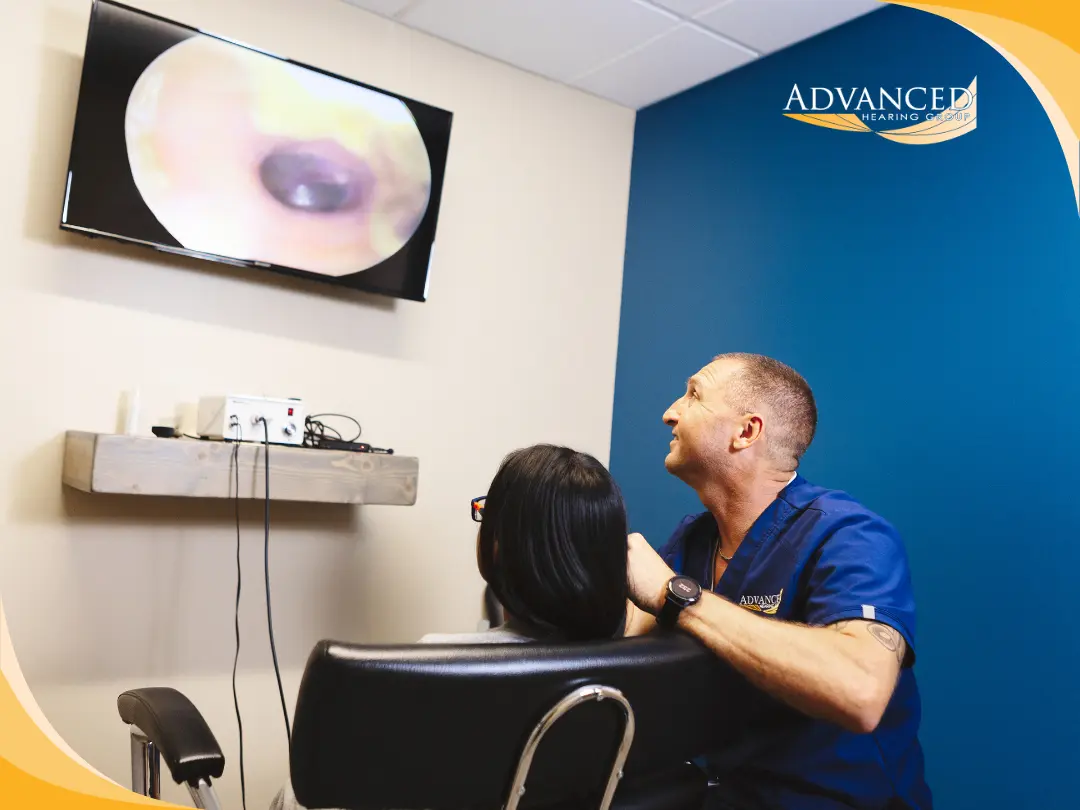
If a doctor determines that your eardrum is intact, then it’s time to pull the wax clog out. He or she might want to dig the wax out (gently!) with a small scraping tool called a curette. But if the doctor can’t get the wax out gently with a curette, the other effective removal option is irrigation. Essentially, shooting water in the ear canal. It can be done with a syringe full of water, or a more high-powered hose-like device.
If you’re one of the people who just naturally produce a lot of wax, you can visit Advanced Hearing Group in Mesa or Scottsdale, AZ for ear wax removal. Please don’t try any of the at-home formulas for removing earwax. Always get a professional to help, and keep all things smaller than your elbow out of your ears!